Fencing Company Insights on Noise-Reducing Fences
A neighborhood has its very own soundtrack. Delivery van on the morning run. A neighbor's garage band adjusting up. The raw, uneven rush of website traffic 2 blocks over. If you've ever stood with a house owner at twilight, viewing brake lights creep with an intersection and felt their shoulders droop at the drone in the background, you know audio can swipe the best components of a yard. A good fencing will not eliminate the city, but with the ideal layout it can bend the acoustics to your benefit and offer you back a pocket of quiet.
I have actually built, repaired, and tuned more fencings than I can count. The house owners that wind up happiest treat sound like an issue to be engineered, not desired away. They listen in various weather condition, procedure where audio leakages, and after that build an obstacle focused on elevation, mass, and continuity. That's where the magic lives.
What sound a fence can actually fix
Let's begin with straightforward assumptions. A privacy fence alone will not produce collection silence near a busy road. If someone guarantees overall soundproofing with a 6 foot panel, try to find the leave. The law that sets the limits right here is basic physics. Radio frequencies carry farther and bend around challenges quicker than high ones. Think speaker smack versus a bird chirp. A fence obstructs line of sight and absorbs or mirrors component of the spectrum, however deep grumbles will still serpent around or over the top.
Most well-built property noise fences decrease perceived sound by somewhere between 5 and 10 decibels at the patio area line. That converts to a visible yet not remarkable renovation, about a 30 to half reduction in loudness to the human ear. In fortunate layouts where you can pile methods - added elevation, dense products, earth berms, and tactical landscaping - I've logged 12 to 15 dB decreases making use of smart device apps adjusted with a recommendation meter. The enhancement is genuine when you quit stressing to hear the person alongside you.
The 3 rules that matter most: elevation, mass, continuity
Everything else hangs off these three.
Height damages the line of sight to your ears. If the fence does not stand greater than the direct path in between resource and listener, expect underwhelming outcomes. A lot of towns cover domestic fence elevation in backyards at 6 to 8 feet, sometimes 10 along arterial roads with a variation. At a minimum, obtain your top line as high as authorizations allow where the noise enters the yard. On sloped ground, that frequently indicates racking the panels and tipping messages to keep a constant acoustic top line.
Mass includes resistance to air-borne sound. A hollow vinyl panel can look solid yet ring like a drum in a wind gust. A single skin of thin boards leaks power. Heavier settings up function much better. Double-sided timber with overlapping or tongue-and-groove boards, fiber concrete slabs on a stout frame, site-built composite cladding, or masonry accomplish useful thickness. For wood, you desire at the very least 3.5 to 4.5 pounds per square foot in the area, more if you can manage it without producing wind-sail problems.
Continuity kills leakages. A single half-inch space near quality or between pickets can defeat an or else gorgeous wall surface. Audio finds holes with a vengeance. The very best noise fences are closed in a sensible feeling. That means limited joinery, sealed edges, overlapping seams, and a plan for eviction that treats it like a door, not a portal.
When a customer asks where to invest the additional money, I direct them right back to these 3. Taller where it matters, much heavier where it counts, and tighter everywhere.
Sound behaves like water, just worse
It aids to visualize noise as a trend that increases and seeks courses. It mirrors off hard surfaces, it diffracts over challenges, and it oozes through openings. You regulate 3 behaviors.
Reflection occurs when sound hits a hard, flat surface area and bounces. A smooth vinyl wall or a stuccoed masonry fencing can reflect sound back toward the source, which assists you, but it can likewise send rowdy noise to a next-door neighbor or a second-story home window. I choose to break up reflectivity on the yard-side with absorptive cladding or growings. Ribbed, distinctive, or slatted inner faces that trap and dissipate waves cut the echo.
Diffraction is the bend around edges and over the top. This is why height pays rewards. A taller fence presses the bend point greater, which increases the darkness area of peaceful on your side. If you can not go taller for code reasons, a tiny earth berm covered by a fence earns a comparable result without triggering an elevation infraction, due to the fact that the fence elevation counts from ended up grade.
Transmission is the sound that passes through the product. That is where mass and air sealing can be found in. If you hold a panel and can feel it flex with a light press, acoustic waves feel the very same thing. A double-skin setting up with a dead-air cavity does better than a single thick plank at the very same general thickness, because the cavity damps resonance. Think of 2 layers of 5/8 inch material with a half-inch space in between. It is not sophisticated carpentry by default, yet the efficiency bump justifies the effort.
Materials that in fact relocate the needle
I have seen practically every material spruced up as "acoustic." Some are entitled to the tag. Some ride on looks. Here is how the typical options execute in the field.
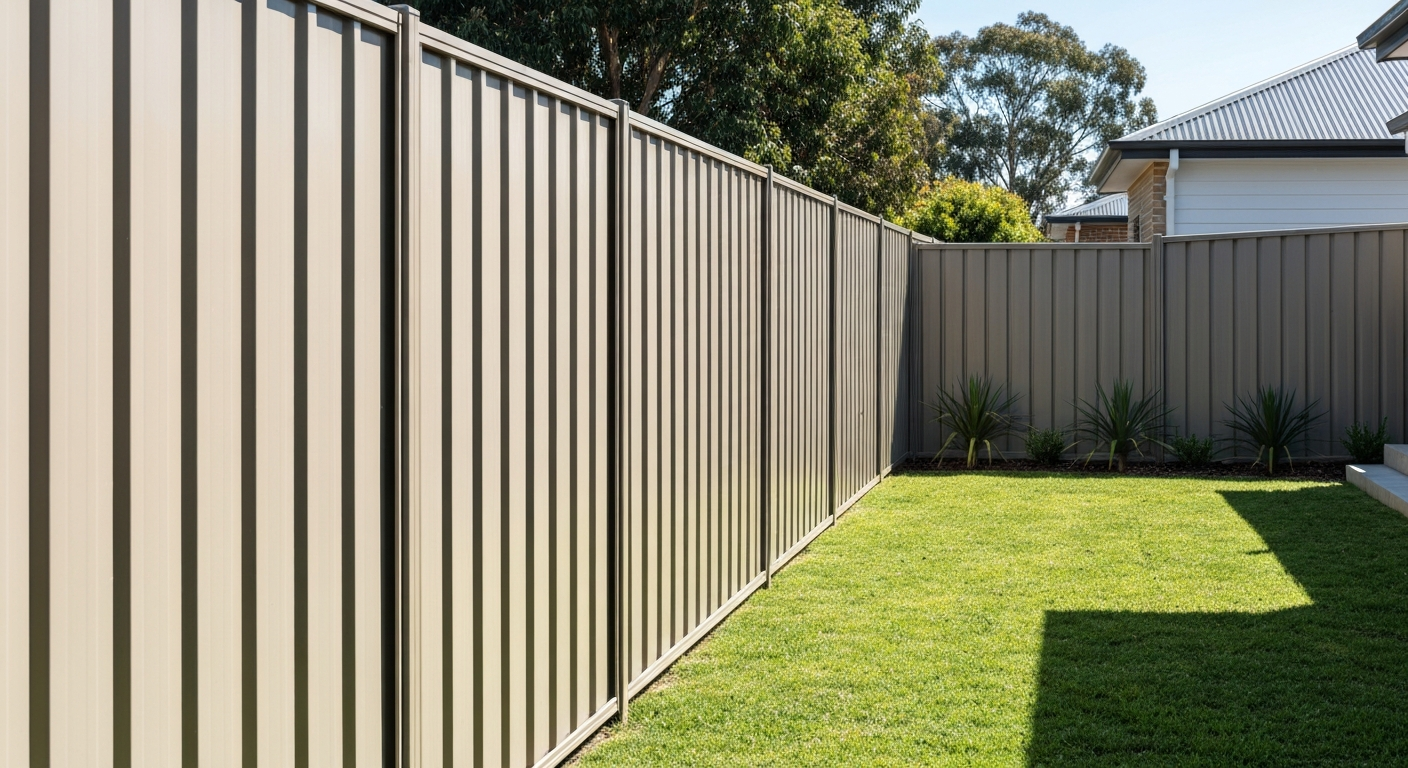
Solid timber with overlapping or tongue-and-groove boards continues to be the best worth. It has good mass, takes a finish, and adapts to personalized website problems. The method is to prevent common dog-ear pickets with quarter-inch gaps. Utilize a shadowbox or double-sided board pattern where one face covers the joints of the other. Include a continuous cap to seal the top line and a ground skirt tight to quality with backer to keep out light leaks.
Composite and fiber cement cladding on a durable frame supply higher mass and stability, with less seasonal activity. Composites vary. Some are lathered and light. Others are dense adequate to matter. Fiber cement is heavy, durable, and silent, however you require stout blog posts, deep footings, and 2 collections of hands to mount securely. Both options price even more up front and incentive that invest with lengthy solution intervals.
Masonry radiates for pure mass. A block wall or block veneer on CMU with a poured ground is the heavyweight. It shakes off climate, tampers down noise by virtue of density, and can be topped with a wood or steel personal privacy screen for included elevation without aesthetic bulk. The downside is rate, allowing, and the durability. You will certainly not move it when your young adult takes up drums and you want a different angle.
Vinyl excels at low upkeep but delays for acoustics unless you choose thick-walled commercial-grade panels and add an absorptive liner. Hollow property panels can sound in wind and send more mid frequencies than customers anticipate. I have actually had small success retrofitting plastic with mineral wool batts on the lawn side, shielded by a perforated cedar screen.
Metal looks modern-day and, when made from thick steel with limited joints, obstructs well. Corrugated panels mirror noise, so match them with interior absorption that is weather risk-free. Powder-coated steel will last. Light weight aluminum is lighter and, unless you go thick, poorer at blocking. Perforated metal is for absorption, not isolation, and will refrain the hefty lifting alone.
Specialty acoustic panels exist that sandwich a dense core with absorptive faces. They cost a costs, frequently two to four times a timber setting up per direct foot, however if you are next to an arterial road or a public transportation line, they make their keep. Examine their scores and keep in mind laboratory numbers originated from ideal problems. Anticipate an area result one notch lower.
Height, blog posts, and standing up to the wind
Build a fence tall and heavy, and you produce a sail. I have actually seen best acoustic fencings give up in the very first fall storm since they were set on undersized articles or with superficial grounds. Weight plus wind equals leverage at the message base.
For 8 foot height, 6x6 messages are a great start, not 4x4s. In clay or loam, I like 36 to 42 inch footings at a minimum, bell-shaped where frost heave is an issue, and wider with masonry or high-wind exposures. In sandy soils or open sites, deeper. Concrete the posts, crown the top of the ground to drop water, and isolate timber from standing moisture with a sleeve or obstacle. Extend your rails with enough area to prevent sag. A mid-span support on long terms aids. If the fence runs greater than 60 feet, plan growth joints or at least visual breaks so repair services are medical, not wholesale.
Add a continual top cap that ties sections, reduces warp, and seals the top joint. Flashing on the cap's leading face loses water. A little information, big payback.
Gates, the weakest link
If audio is water, the gate is the weir. Most standard gates hang on two joints with a loose lock and a generous sweep near the bottom. Wind discovers that swing and makes its own whistle. For a noise-reducing fence, deal with eviction like a door in a weather-exposed wall.
Frame a gateway with a welded steel core or a rigid timber box, after that skin both encounters to match the fencing, offsetting seams. Set up three heavy hinges on an appropriate post, or a pivot hinge that carries the load. Add boundary quits with compressible weatherstripping. Shut the bottom move to within a fifty top residential fencing contractor percent inch of grade with a brush or rubber move. Use a latch with numerous interaction factors. It will certainly not be impermeable, but it will certainly keep your investment from bleeding noise every time the wind picks up.
Integrating landscape for even more quiet
Plants do not block seem like a wall. Any individual that claims a hedge amounts to a strong fence has not stood next to a holly row throughout rush hour. That claimed, landscape softens and soaks up high-frequency web content that jumps into your yard. Area dense evergreens or split hedges along the fence on the backyard side, not the road side, where they can capture reflections. Trellises with vines develop microcavities that catch energy. A strip of indigenous grasses at the base assists with splatter sound from tires on damp pavement.
If you can form quality, a berm topped with a fence pays off. A 2 to 3 foot surge over a 6 to 8 foot fencing makes a genuine difference. Keep slopes steady with geotextile and deep-rooted plantings to avoid washouts in a large rain.
Building on uneven ground and challenging lines
Noise hardly ever accepts great deal lines. Edge properties collect audio from two fronts. Sloped backyards attract professionals to tip the fencing and leave little triangles under the panels. Those triangles become sound ports. When I work a slope, I favor to rack the panels to follow quality, also if it suggests custom rails and tighter woodworking, after that include a kickboard or skirt at the base that remains in contact with the dirt. Where a retaining wall satisfies a fence, secure the joint with backer rod and an exterior-grade sealer or with a pressure-treated shoe that hugs the wall.
At residential or commercial property corners, consider a short return at 45 degrees that pushes the line of view away from your resting area. It is unusual just how usually a small angle adjustment moves the feeling of a space.
How we determine success in the field
I bring a straightforward routine. Initially, pay attention at the residential or commercial property in different problems: a weekday early morning, a Saturday mid-day, and a night. Seems change with wind, moisture, and website traffic patterns. Second, take readings with an adjusted app at shoulder height in the places where the family members hangs out. I keep in mind the A-weighted average over 5 mins, and I note sources by ear: is it vehicle tires, braking, engine drone, a next-door neighbor's air conditioning unit, or kids playing following door.
After the fencing rises, we gauge once again at the same spots. Even a 6 dB reduction feels considerable. If we fail, I seek leaks. 9 breaks of 10, the offender is eviction move or a poor grade space along a hump in the soil.
Money, maintenance, and the long view
Budgets vary. As a harsh guidebook in the areas where I work:
- A durable 6 to 8 foot wood noise fence with double-sided boards and a cap usually runs 60 to 110 dollars per direct foot, relying on lumber costs, article size, and website conditions.
- Composite or fiber cement assemblies drop in the 90 to 160 dollar array per straight foot due to material expenses and labor.
- Masonry with an ended up face can press 180 to 350 dollars per linear foot and more when access is tight or footings grow complex.
- Specialty acoustic panels frequently begin around 150 to 250 dollars per straight foot and climb with height and hardware.
Maintenance complies with product option. Timber wants discolor or seal every 2 to 4 years in severe sun, much longer in shaded or mild climates. Maintain grade free from compost stacks that catch dampness against the boards. Adjust gateways annual, lubricate hinges, and alter exhausted weatherstripping. Composite and fiber cement ask less of you, primarily hinge treatment and cleansing. Masonry will outlast you with occasional tuckpointing.
If you work with a Fence Company that knows acoustic details, ask about service warranty restrictions with thick assemblies. Larger panels push equipment and messages harder. Fencing Contractors that routinely develop tall, limited fencings tend to be realistic concerning wind direct exposure and will reject a design that asks excessive of a little post in a gusty corridor.
Permits, next-door neighbors, and the HOA gauntlet
You do not win several good friends by going down a wall without a word. Call the utilities before you dig. Blog post lines may not rest where the study recommends after years of fences relocating an inch each time. Pull allows if your district requires them, specifically for anything over 6 feet or with stonework grounds. Some cities have noise fencing standards along arterial roads that improve authorizations if you follow their sections.
If you share a line, a respectful conversation with the next-door neighbor settles. I have had cost-sharing bargains come together when both homes despise the same racket. If you have an HOA, present samples that show how the ended up face will look and how the inner face will certainly remain clean. Keep the visible side appealing. Good fencings repair connections when they are handsome and fair.
Two field stories that educated me lessons
We developed a fence for a household 2 doors from a bus course where the diesel rattle made their young child wake during snoozes. A standard 6 foot privacy fencing had not done anything for them. We replaced it with an 8 foot double-sided cedar fence with offset seams, a 2 by 8 cap, and a 10 inch kickboard cut to ground. On the backyard side, we included a trellis with evergreen clematis along the loudest stretch. Measured reduction averaged 9 dB at the patio. The mother said she might ultimately listen to birds once more. The clematis completed over two seasons and softened the representations beautifully.
Another project rested next to a warehouse with reverse alarms at night. The customer desired stonework, but the budget plan balked. We endangered with a 3 foot berm along 70 feet of the rear line, compressed and geo-reinforced, with a 7 foot composite fencing on top. We developed a correct acoustic gateway to a side street and added absorbent mineral wool behind a perforated cedar panel along the within face for 30 feet where the line of view intersected the dock. The result was a 12 to 13 dB decrease in that area, and a regular 7 to 9 dB across the backyard. Not silence, however an actual modification in top quality of life.
Working with a fencing installer that speaks the language of sound
Many Fence Contractors are artisans with blades for hands and pride in the reveal. Fewer discuss decibels and wind lots unprompted. When you veterinarian a Fencing Contractor for a sound job, listen for a strategy that begins with site-specific observation and ends with limited describing. Ask exactly how they manage gateways. Inquire about message sizing and footing depth for an 8 foot run in your dirt. Request for examples where they sealed grade on a sloped backyard without awful gaps.
Look at pictures of finished work and zoom right into edges, caps, and bases. Clean miters and consistent shadow lines indicate a mind that shuts loopholes. A fencing installer who brings mockups of board patterns and talks through mass per square foot is the ally you want. A Fencing company that brushes off eviction as a second thought will certainly leave you with a gorgeous leak.
When the fencing is not enough
Some websites resist fences alone. If you live right behind a freeway noise wall surface's end cap or near a train contour that screeches, even a carefully developed obstacle might give you only a partial reprieve. Combine the fence with secondary procedures: upgrade windows on the home's dealing with side to laminated glass, seal door weatherstripping, and include exterior-grade acoustic drapes for a veranda if you have a covered sitting area. Consider concealing water attributes near the patio area, not as a cure, but to change the texture of the soundscape. I have actually set up tiny spillways that include a soft hiss that makes discussion easier without blowing up the space.
And, if your neighbor's heatpump rests three feet from your fence and screams, talk with them about a relocaton or an acoustic hood for the system. A brief, absorbent room around a point resource defeats a high obstacle along a whole line.
A brief checklist to prepare a noise-reducing fence
- Map the resources and listening places with two or three timed sound analyses in different conditions.
- Confirm allowed fencing elevations, setbacks, and ground demands with neighborhood code or HOA.
- Choose a materials method that hits mass and connection, then create a gate like a climate door.
- Size articles and footings for wind and weight, not simply for looks.
- Budget for landscape on the backyard side to soak up reflections and soften the construct's presence.
Trade-offs worth considering
A taller fence wins acoustically however casts much longer shade. In tiny yards, that can shift plant choices and make patios damp after a storm. fence installation company Dense materials resist sound yet collect warmth in straight sun. A dark composite prepared in a cul-de-sac of concrete can transform a July night into a bake. Lighter finishes, a little lattice topper angled to capture a wind, or trellised vines reduce warm while keeping mass below.
Wood offers you acoustics per buck and an opportunity to tune on website, yet it asks for upkeep. If your calendar and budget hate ladders, a composite or fiber concrete assembly might be the better life time selection in spite of a greater ticket now. Masonry settles the sound concern, but it straps you to a permanent look and a much more complicated fixing if you ever need to open an area for utilities.
Noise top priorities also transform. Young families yearn for nap-time quiet. Ten years later, the sound that matters might be the neighbor's new pool pump. A modular design that allows you retrofit absorbent panels where the concern shows up keeps your financial investment flexible.
A step-by-step means to obtain from noise to refuge
- Listen and procedure. Spend 2 or 3 short sessions logging where and when sound strikes hardest, then illustration your backyard with arrows that show paths.
- Design to block the line of sight first, then include mass, after that secure the voids. Height, density, continuity, because order.
- Overbuild the framework. Pick articles, rails, and footings for the heaviest panel you can fairly set up and for the worst wind you expect.
- Treat eviction like a door. Inflexible framework, numerous joints, boundary stops, a sweep near quality, and a lock that draws tight.
- Finish with information. A constant leading cap, secured corners, a grade-hugging base, and landscape that absorbs and delights.
There is a factor some backyards seem like refuges also two residences from a busy roadway. Someplace, somebody valued the physics of noise and the craft of fences. If you provide the same focus to elevation, mass, and continuity, select products that hold their form, and work with a Fence Company that recognizes how to shut leaks you can not see, the drone fades. The voices around the table return. The wind in the trees becomes the loudest thing you hear. That is a win any kind of Fencing Contractors staff will happily authorize their name to.